Discover how long it takes to learn German and the factors that affect your progress. Learn German in Aundh, Pune with expert guidance from Aesious. German is one of the most sought-after foreign languages for students, professionals, and individuals looking to expand their global career opportunities. As Germany continues to be a leader in engineering, technology, research, and business, learning German has become increasingly valuable for those aiming to study, work, or settle abroad.
One of the most common questions asked by new learners is, “How long does it take to learn German?” The answer depends on several factors, including your learning goals, study consistency, language background, and the level of proficiency you wish to achieve. For learners in Aundh, Pune, Maharashtra, structured training at Aesious Language Institute can significantly reduce the learning curve and help achieve fluency faster.
This guide explains the realistic timeline for learning German and what you can do to accelerate your progress.Learning a new language like German is an exciting journey—but one of the most common questions learners ask is: how long does it actually take? The answer isn’t one-size-fits-all. It depends on several factors such as your prior language experience, daily exposure, consistency, motivation, and the effort you invest in practice.
At Aesious Institute Of Foreign Languages in Pune, students often discover that with the right guidance and structured learning, German becomes much easier and faster to master than expected.
Why Learn German in 2026?
Before discussing timelines, it’s important to understand why German continues to be one of the most valuable languages to learn.
German is widely used in:
- Engineering
- Information Technology
- Automotive Industry
- Healthcare
- Research and Development
- International Business
- Higher Education
Germany is Europe’s largest economy and offers excellent opportunities for skilled professionals and students worldwide.
Understanding German Language Levels
German language proficiency is divided into internationally recognized CEFR levels:
A1 – Beginner
At this level, learners can:
- Introduce themselves
- Ask simple questions
- Understand everyday phrases
- Engage in basic conversations
Estimated Learning Time: 80–120 hours
A2 – Elementary
Learners can:
- Discuss familiar topics
- Understand common expressions
- Handle routine communication
Estimated Learning Time: 180–250 hours
B1 – Intermediate
Students can:
- Participate in conversations confidently
- Understand workplace communication
- Manage travel and social interactions
Estimated Learning Time: 350–450 hours
B2 – Upper Intermediate
Learners become capable of:
- Professional communication
- Academic discussions
- Understanding complex texts
Estimated Learning Time: 500–650 hours
C1 and C2 – Advanced Proficiency
These levels allow:
- Near-native communication
- Professional presentations
- Academic research
- Advanced business interactions
Estimated Learning Time: 700–1000+ hours
How Long Does It Take to Learn German?
For Basic Conversation
Most learners can achieve basic conversational skills within 3 to 6 months with consistent study and guided instruction.
This level is suitable for:
- Travel
- Basic interactions
- Everyday communication
For Study Abroad Purposes
Students aiming for German university admissions generally require B1 or B2 proficiency.
With structured classes and regular practice, this typically takes:
8 to 18 months
depending on study intensity.
For Professional Use
Professionals seeking employment in Germany often need B1 or B2 certification.
Most learners reach this level in:
12 to 24 months
with continuous learning and practical exposure.
Factors That Affect Learning Speed
1. Consistency
Daily practice is one of the most important factors.
Studying 30–60 minutes every day often produces better results than long but irregular study sessions.
2. Previous Language Experience
Learners who have studied other foreign languages often adapt faster to German grammar and vocabulary.
3. Learning Environment
Structured classroom learning provides:
- Expert guidance
- Speaking practice
- Feedback
- Regular assessments
which significantly improve progress.
4. Speaking Practice
German fluency develops faster when learners actively engage in conversations rather than focusing only on grammar.
5. Motivation and Goals
Students preparing for:
- Higher education
- Immigration
- International careers
often progress faster due to clear objectives.
How to Learn German Faster
Build a Daily Routine
Consistency is more important than study duration.
Focus on Vocabulary
Learning common words and phrases improves communication quickly.
Practice Speaking
Regular conversations build confidence and fluency.
Watch German Content
Movies, podcasts, and news channels improve listening skills.
Take Professional Training
Structured courses provide systematic learning and faster progression.
Why Students in Pune Are Choosing German
Pune’s growing educational and technology ecosystem has increased interest in German language learning.
Students choose German because of:
- Study opportunities in Germany
- International career growth
- Engineering and IT prospects
- Immigration pathways
- Global networking opportunities
Areas such as Aundh, Baner, Wakad, Hinjawadi, and Pimple Saudagar have seen increasing demand for German language courses.
Why Choose Aesious Language Institute in Aundh, Pune? Learn German
Aesious Language Institute offers comprehensive German language programs designed for students and professionals.
Benefits Include:
- Beginner to advanced German courses
- Experienced trainers
- Goethe exam preparation
- Interactive learning methods
- Flexible batch timings
- Practical communication training
- Career-focused curriculum
Whether your goal is studying abroad, professional growth, or personal development, Aesious provides structured support throughout your language-learning journey.
Factors That Affect How Fast You Learn German
1. Your Learning Background
If you already know languages like English or other European languages, learning German may feel more natural due to similarities in vocabulary and grammar.
2. Consistency and Practice
Consistency is key. Practicing daily—even for 30–60 minutes—can significantly speed up your progress.
3. Exposure to the Language
Listening to German music, watching movies, and engaging in conversations can help you absorb the language faster.
4. Motivation and Discipline
Your personal goals—whether for career, study abroad, or travel—play a major role in how quickly you learn.
How Long Does It Actually Take? Learn German
With proper training and regular practice:
- 3 to 6 Months:
You can start handling basic conversations. This includes introducing yourself, ordering food at a café, asking for directions, and interacting in simple daily situations. - 6 to 12 Months:
You can achieve intermediate fluency, understand longer conversations, and express your thoughts more clearly. - 1 Year and Beyond:
With continued learning, you can reach advanced levels and communicate confidently in professional and academic environments.
Realistic Expectations for Beginners Learn German
If you practice consistently for at least three to six months, you will likely be able to:
- Hold simple conversations with friends
- Order food or coffee in German
- Understand basic spoken phrases
- Navigate everyday situations comfortably
The key is not perfection, but progress.
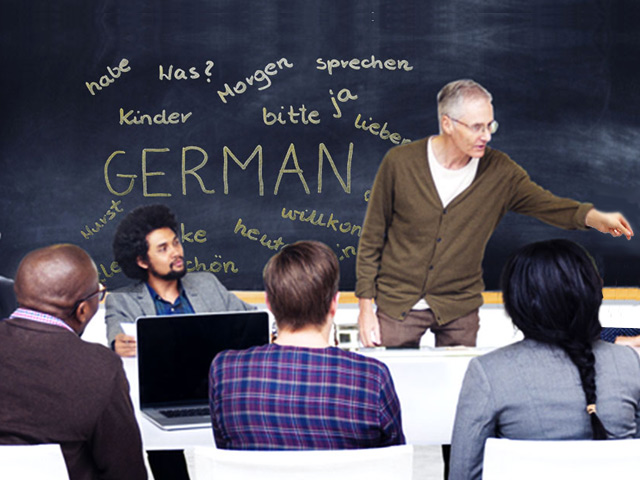
Why Learn German at a Professional Institute?
Joining a structured course at Aesious Institute Of Foreign Languages offers several advantages:
- Expert trainers with proven teaching methods
- Interactive learning environment
- Practical conversation sessions
- Faster progress through guided practice
Conclusion
Learning German doesn’t have to take years. With the right approach, dedication, and consistent practice, you can start speaking confidently within just a few months. Whether your goal is career growth, studying abroad, or exploring new cultures, German is a valuable skill that opens doors to global opportunities. The time required to learn German depends on your goals, commitment, and learning approach. Most learners can achieve basic communication skills within a few months, while professional-level proficiency typically requires one to two years of dedicated study.
For students and professionals in Aundh, Pune, learning German offers excellent opportunities in higher education, international careers, and personal growth. With expert training from Aesious Language Institute, learners can build confidence, prepare for certification exams, and achieve their language goals efficiently.
FAQs
1. Can I learn German in 6 months?
Yes. With consistent study and professional guidance, most learners can achieve A1 or A2 level proficiency within six months.
2. Is German difficult for Indian students?
German grammar can be challenging initially, but regular practice and structured learning make it manageable and rewarding.
3. Which German certification is best?
The Goethe-Zertifikat is one of the most recognized German language certifications worldwide. Learn German.
4. How many hours should I study German each week?
Studying 5 to 7 hours per week consistently can lead to steady progress and improved language proficiency.
5. Where can I learn German in Aundh, Pune?
Aesious Language Institute offers professional German language courses Learn German, certification preparation, and practical communication training for students and working professionals.