French as a Historical Lingua Franca
If you rewind a couple of centuries, French wasn’t just another European language—it was the language of diplomacy, aristocracy, and intellectual exchange. Kings negotiated treaties in French, philosophers wrote in French, and global elites used it as a marker of sophistication. Even today, the phrase “lingua franca” quietly carries that legacy, reminding us that French once dominated international communication long before English took center stage.
That historical foundation still matters in 2026. Languages don’t just disappear when trends shift—they evolve, adapt, and embed themselves into institutions. French did exactly that. It secured its place in diplomacy, law, and academia, creating a long-term influence that continues to shape global communication today. So when people ask, “Why is French still relevant?” the real answer lies in its deep-rooted global infrastructure, not just nostalgia. French Language
Table of Contents
The French language holds a powerful position on the global stage, making it one of the most influential and widely spoken languages today. With nearly 220 million speakers across continents, French is not just a language—it’s a gateway to global communication, culture, and international engagement. At Aesious Institute Of Foreign Languages, learners are introduced to French in a practical and immersive way that reflects its real-world importance.
A Truly Global Language – French Language
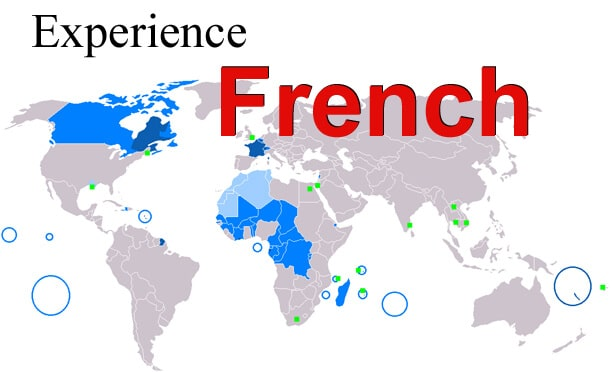
French is spoken in Europe, Africa, North America, and parts of Asia, making it one of the most geographically widespread languages. Its presence in multiple regions makes it highly valuable for communication across borders. It is also the second most taught foreign language worldwide, highlighting its strong educational significance.
French in International Organizations
French plays a critical role in global diplomacy. It is one of the official working languages of the United Nations, as well as other major international institutions. This makes it an essential language for global discussions, policy-making, and international relations.
France’s Influence in Global Trade
France is a major player in the global economy, contributing significantly to international trade in goods. Its economic strength and global partnerships make French a valuable language in business and commerce.
France also shares strong economic ties with the United States. It is one of the leading foreign investors in the U.S., with around 3,000 French companies operating there and providing employment to approximately 700,000 people. This highlights the importance of French in global business communication.
Presence of Global Companies in France
Many top multinational companies across industries such as technology, fashion, and consumer goods have established a strong presence in France. This global integration further increases the relevance of the French language in modern industries.
Why Learn French Today?
Learning French is not just about language—it’s about expanding your global perspective. At Aesious Institute Of Foreign Languages, students gain:
- Strong foundation in speaking and comprehension
- Exposure to real-world communication
- Cultural understanding alongside language skills
- Interactive and practical learning methods
Located in Pune, the institute provides expert guidance to help learners build confidence and fluency in French.
Modern Relevance in 2026
Fast forward to today, and French remains one of the most influential languages globally—not because of history alone, but because of its current growth and strategic importance. As of 2026, French is now the fourth most spoken language in the world, with around 396 million speakers globally . That’s not a static number either—it’s expanding rapidly, especially in emerging regions.
What makes French unique is its geographical spread. Unlike languages concentrated in one region, French is spoken across Europe, Africa, North America, and parts of Asia, making it a truly global connector. It’s not just a language of one country—it’s a network language that links multiple economies, cultures, and political systems.French Language
Global Reach of the French Language
Number of French Speakers Worldwide
Numbers tell a compelling story. With nearly 396 million speakers, French ranks among the top global languages, sitting just behind English, Mandarin, and Spanish . But what’s more interesting is the demographic momentum behind these numbers. Over 65% of French speakers are based in Africa, and that percentage is expected to rise significantly in the coming decades .
This growth isn’t accidental. It’s driven by population expansion, education systems, and regional cooperation among French-speaking nations. In simple terms, French isn’t just surviving—it’s scaling.
Presence Across Continents
French is one of the rare languages spoken on all five continents. From Paris to Montreal, Dakar to Geneva, and even parts of Southeast Asia, French operates as a bridge language. This geographic diversity gives it a unique advantage—it doesn’t rely on a single economy or region.
Think about it like a global network. While some languages dominate locally, French connects multiple nodes worldwide. That makes it incredibly valuable for international communication, especially in diplomacy, education, and trade.French Language
French in International Organizations
Role in Diplomacy and Politics
French continues to play a central role in international diplomacy. It is one of the official working languages of major global institutions, including the United Nations, the European Union, and many international courts. Diplomatic negotiations, legal frameworks, and international treaties often rely on French terminology and documentation.
This isn’t just tradition—it’s practicality. French offers precision, clarity, and a standardized legal vocabulary that makes it ideal for formal communication. That’s why it remains deeply embedded in global governance structures.
Official Language Status Globally
French holds official status in over 30 countries and governments worldwide . That alone ensures its continued relevance. When a language is used in government, education, and administration across multiple nations, it gains institutional strength that’s hard to replace.
French in Education Systems
Second Most Taught Language
Here’s where things get really interesting: French is currently the second most studied language in the world, with over 170 million learners globally . That’s a massive pipeline of future speakers, professionals, and global communicators.
Why are so many people learning French? Because it’s seen as a strategic language—one that opens doors in multiple regions rather than just one.
Growth in African and Asian Countries
Education systems across Africa and parts of Asia are increasingly integrating French into their curricula. For example, countries like Angola have even started making French mandatory in schools to strengthen regional and economic ties .
This shift signals something important: French is not just being preserved—it’s being actively expanded.
Economic Importance of French
Francophone Markets and Trade
The Francophone world represents a massive economic zone. Countries that share French as a common language often collaborate more efficiently in trade, policy, and development. Language reduces friction—fewer misunderstandings, smoother negotiations, and stronger partnerships.
Business Opportunities
For professionals, French is a career multiplier. It opens opportunities in international business, NGOs, diplomacy, tourism, and multinational corporations. Companies operating in Africa, Europe, and Canada often prioritize candidates who can communicate in French.French Language
Cultural Influence of French
Literature, Cinema, and Fashion
French culture has long been associated with elegance, creativity, and intellectual depth. From classic literature to modern cinema, French continues to influence global culture. The language itself carries a certain prestige that enhances its global appeal.
Global Soft Power
France and other Francophone countries invest heavily in cultural diplomacy. Institutions promote French language and culture worldwide, ensuring its continued visibility and relevance.French Language
French and the Digital World
Internet Usage and Content
French is now the fourth most used language on the internet . While English dominates online content, French maintains a strong digital presence, especially across Europe and Africa.
Growth in Online Learning
The rise of online platforms has made French learning more accessible than ever. Apps, virtual classrooms, and AI-driven tools are helping millions of learners engage with the language in real time.French Language
Why French is Still Relevant for Careers
Job Opportunities and Global Mobility
Speaking French gives you a competitive edge in today’s job market. Whether you’re aiming for international business, diplomacy, or global education, French acts as a passport to multiple regions.
It’s not just about language—it’s about access. Access to markets, cultures, and opportunities that others might miss.French Language
Future of the French Language
Growth Predictions to 2050
Looking ahead, French is projected to reach up to 590 million speakers by 2050, with the majority in Africa . That kind of growth positions French as one of the most future-ready languages in the world.
Conclusion
French continues to dominate global communication in 2026 not because of tradition alone, but because of strategic relevance, demographic growth, and institutional power. It connects continents, drives education, supports diplomacy, and opens economic opportunities.French Language
In a world that’s becoming increasingly interconnected, French isn’t just surviving—it’s thriving. And if current trends continue, its influence will only expand in the decades ahead.French Language
FAQs
1. Why is French still important globally in 2026?
Because it is widely spoken, officially used in many countries, and deeply embedded in diplomacy, education, and international business.
2. How many people speak French today?
French Language Around 396 million people worldwide speak French as of 2026.
3. Is French growing or declining?
French is growing rapidly, especially in Africa, and is expected to expand significantly by 2050.
4. Is French useful for careers?
Yes, it opens opportunities in global business, diplomacy, education, and international organizations.
5. Should I learn French in 2026?
If you’re looking for global mobility and career growth, French is one of the smartest language choices today.